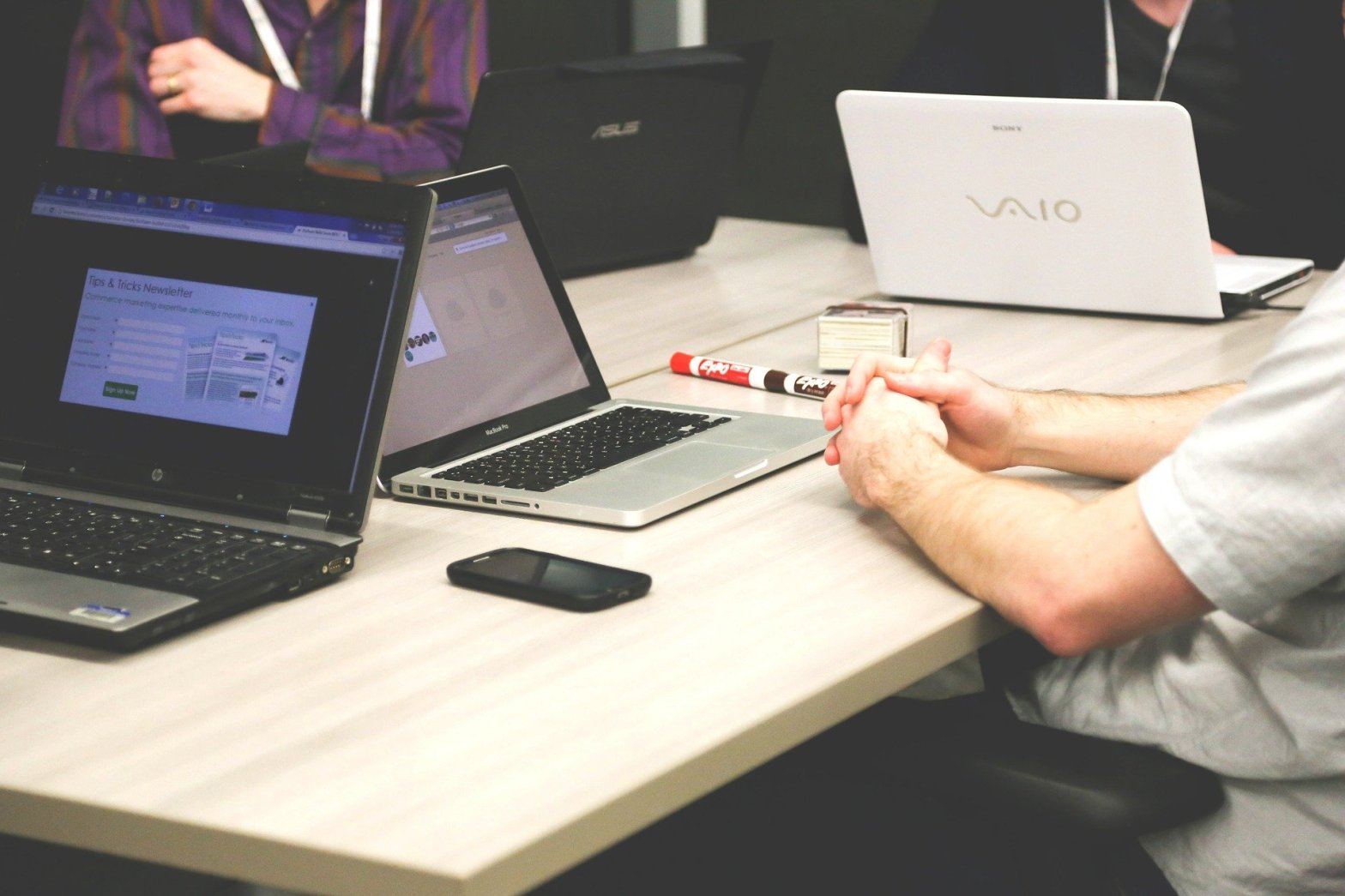
Commercial equipment helps to optimize the performance of your business. It enables you to compete with others in the market.
This may include computers and printers for your accounting process, trucks for your delivery, etc. It can be quite expensive, depending on its specs, units, or brands.
You wouldn’t want to settle for outdated technology, right?
But what if you don’t have the capital to invest in this? Is there any other option that will work for you?
Yes, there is an alternative other than traditional loans. It is what we call equipment leasing. You can get an advanced and specialized technology that your business may need.
You can have it even if you don’t have cash outright.
What Is Equipment Leasing?
Equipment leasing is allowing a business or company to use machinery, vehicles, or other equipment in the form of rent.
It gives a flexible alternative option in obtaining essential equipment if you run out of cash.
This allows the lessee (0user) to operate or make use of the equipment within a certain period.
In this type of financing, you don’t borrow a significant amount to buy equipment. And then you pay the principal amount and interest rate based on its specified terms.
It works differently here. What you do is you rented the equipment with specific fees and on a contract basis.
Once your lease ends, you can either renew it or return the equipment and end your lease.
Even if you don’t pay interest or other charges like on traditional loans, it doesn’t mean that there is none.
An equipment lease is famous for different companies. May it be big or small. But it’s favoured mostly by small business owners.
Also, the rate of the lease depends on your credit, the type of equipment, and your line of business.
Your interest rates and other fees are calculated already. And it is merged with your monthly payments. Terms differ also, but usually, it takes up to six years.
Types of Equipment Leasing
There are two primary types of equipment lease.
1. Operating Lease
- Short-term
- Cancelable terms
- Applicable for small value equipment
- Monthly payments are lower.
- This works well with computers and other equipment that requires to be upgraded most of the time.
2. Capital Lease
- Also known as a full payout or financial lease
- Monthly payments are higher.
- Noncancelable type of lease
- Works well if you intend to use the equipment in an extended period.
- The lessee (the one who uses the equipment) pays all property taxes.
- The responsibility for maintaining the asset is done by the user.
Why Should You Consider Equipment Leasing?
Here are some few points you may wish to ponder upon applying for an equipment lease.
1. You Can Frequently Change Your Equipment
You’re no longer stuck in obsolete machinery. It enables you to upgrade your equipment with the latest and advanced technology.
There’s no need for you to sell the old ones and replace them with new. You can keep and have them both.
In business, you must be able to come along with the current trends in the market. Thus, you can only do this by operating machines that will make your work efficient and faster. And you may obtain those by equipment leasing.
2. Your Monthly Payments Tend To Be Lower
Compared to purchasing new equipment, it’s more economical to venture into leasing. It offers lower monthly expenses.
If you don’t have the money to buy right away, then this is the best option you can have.
3. You Don’t Need Any Down Payment or Collateral
There’s a lot of leasing companies that offer no down payment. It does not require the lessee to provide a property or asset to secure its lease.
It usually takes an easy and fast application process.
Bottom Line
Equipment leasing offers different benefits that you may enjoy as a user. Also, it provides you with an alternative that will perhaps work best for your situation.
It will always be wiser of you if you have considered well its types and advantages.
If you are having doubts, always remember that this is not the only alternative you can have. You might want to consider other financing methods.
But If you have made up your mind, then consider thinking of your monthly budget.
Always start on how much you can afford and then work from there. Be sure to reflect its monthly payments versus your daily cash flow.
Think also of the term you will be using the equipment. Will it be used short-term or in the long run?
Be mindful also of the obsolescence of the equipment you are renting. Remember that technology upgrades rapidly.
There will be some machinery or equipment that will be quickly outdated for some business. Research before you make the decision.
 Lease Funders